How to Become A Licensed Builder in QLD: A Complete Guide
Queensland runs a graded builder licensing system. Here's what the QBCC looks for, the licence categories on offer, and the steps from qualifying to holding your licence.



Queensland doesn’t hand out one builder’s licence and call it done. The Queensland Building and Construction Commission (QBCC) runs a graded system, and which category you land in decides what work you can quote for, what qualifications you need, and how long the process takes.
If you’re a tradie thinking about moving from working under someone else’s licence to running your own jobs, this guide walks through what the QBCC actually looks for, the licence classes on offer, and the steps between deciding to apply and holding your licence.
Why Queensland’s System Looks Different to Other States
Builder licensing sits with each state and territory in Australia, not the federal government. The rules that apply to a builder in Victoria or New South Wales won’t necessarily apply in Queensland.
In Queensland, the QBCC assesses applicants on scope of work, qualifications, and experience, then places them into one of several licence categories. Get the category wrong, and you could end up applying again later, or find yourself quoting on jobs your licence doesn’t actually cover.
The Main QBCC Licence Categories
Most applicants fall into one of three main categories.
Low-Rise
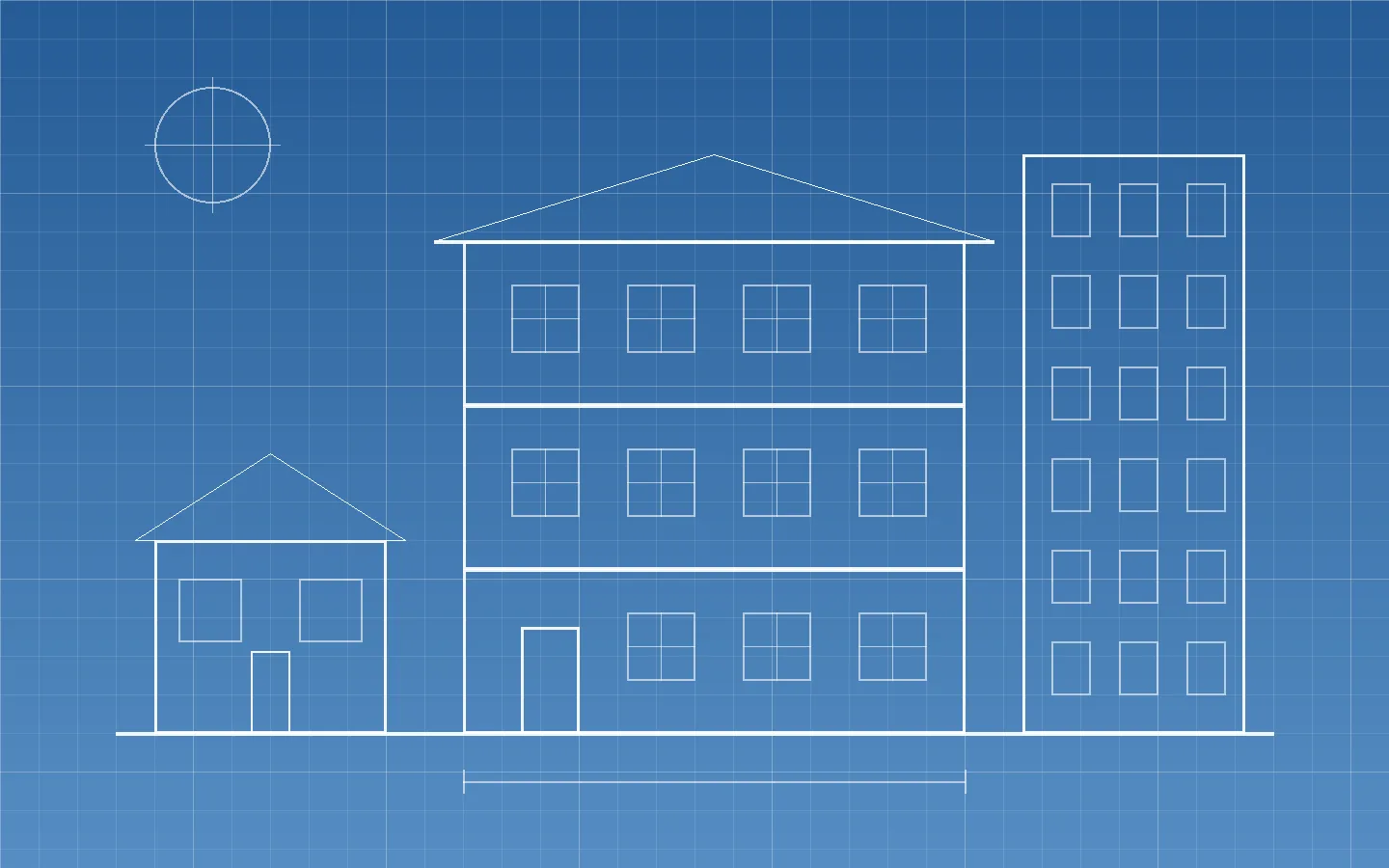
Low-rise covers detached houses, townhouses, and small unit developments up to two storeys. It’s the natural entry point for tradies moving out of carpentry or residential construction. You’ll need a Certificate IV qualification, a builder reference, and either two years of experience (with a Cert III in carpentry or bricklaying) or four years under a licensed builder without one. Full requirements sit on the QBCC’s Low Rise Builder licence page.
Medium-Rise
Medium-rise extends that scope to buildings up to three storeys and calls for a diploma, three referee reports, and the same experience thresholds as low-rise. More detail is on the QBCC’s Medium Rise licence page.
Open
Open removes the height and complexity limits altogether. It suits builders with genuine commercial ambitions and demands an advanced diploma plus the highest level of demonstrated experience. See the QBCC’s Open Builder licence requirements for the full picture.
There are also Trade Contractor and Project Management services licences for tradies who want to stay closer to a single trade, or supervise without contracting directly. We’ve covered these in more depth in our guide to Queensland builder licensing categories.
When You Actually Need a Licence
Not every job in Queensland requires a licence. You must be licensed if the building work is valued at $3,300 or more, if it involves hydraulic services design worth $1,100 or more, or if it involves drainage, plumbing, gas fitting, or building design work of any value.
Work under those thresholds may not legally require a licence, but most tradies planning to run their own business will still need one, simply because clients and insurers expect it.
Qualifications and Experience: What the QBCC Wants to See
The QBCC doesn’t treat qualifications and experience as separate boxes to tick. It wants proof you can manage a build safely, on budget, and to code, using your training and your work history together as evidence of that.
If you already hold a Certificate III in carpentry or bricklaying, the experience requirement drops to two years under a licensed builder. Without it, you’ll need four years. On top of that, you’ll need the qualification tied to your chosen category, a Cert IV for low-rise, a diploma for medium-rise, an advanced diploma for open, plus referee reports from builders who’ve supervised your work.
This is where applications stall. Tradies who’ve run sites for a decade often assume their experience speaks for itself. It does, but only once it’s documented properly, with referee statements and project histories that show what you were actually responsible for.
Financial Requirements Most Applicants Overlook
Most trade contractor licence holders also need to meet the QBCC’s minimum financial requirements: solvency through net tangible assets, working capital, and a track record of profitability. It catches out applicants who are technically ready on paper but haven’t sorted their financials, so it’s worth addressing early.
The Application Process: Step by Step
Once your qualifications and experience are in order, the process generally runs like this: gather your documentation (qualifications, referee reports, and project evidence), lodge your application with the QBCC, then wait for assessment. The QBCC can take up to eight weeks to review a completed application, longer if anything is missing or unclear.
This is where preparation pays off. Applications with clear evidence and no gaps move through faster than ones that need follow-up requests. If you’d rather not manage the paperwork alone, our QLD builder licence application support handles the qualification checks, document gathering, and submission on your behalf.
How Long the Whole Process Takes
There’s no single answer here. It depends on your existing qualifications and experience, how complete your documentation is, and current QBCC processing times. Once a complete application is lodged, most applicants see a decision within a few weeks to two months. Getting to that point, starting from scratch on qualifications, can take considerably longer.
Getting Started
Becoming a licensed builder in Queensland isn’t a single test to pass. It’s a combination of the right qualification, documented experience, sound finances, and a complete application. Get the category right from the start, and the rest of the process moves a lot more smoothly.
If you’re not sure which QBCC category fits your experience, our 60-second eligibility check will show you where you stand and what, if anything, you still need before you apply.
Frequently Asked Questions
What is a low-rise builder licence in QLD?
A low-rise licence covers class 1 or 10 buildings, class 2–9 buildings with a gross floor area under 2000m², and non-structural work of any size. It’s the standard starting licence for residential builders.
How long does it take to become a licensed builder in Queensland?
It depends on your existing qualifications and experience. Once a complete application is lodged, the QBCC can take up to eight weeks to assess it. Preparing the qualifications and evidence beforehand is usually what takes the longest.
Do I need a Certificate IV to get a QLD builder licence?
For a low-rise licence, yes, unless you’re applying through a pathway that recognises equivalent experience and assessment. Medium-rise and open licences require a diploma and an advanced diploma respectively.
Are there financial requirements for a QBCC licence?
Yes. Most trade contractor licence holders must demonstrate financial solvency through net tangible assets, working capital, and profitability history as part of their application.
Can I apply for a QLD licence if I’m not sure which category fits?
Yes. A 60-second eligibility check can help clarify which category matches your experience before you commit to an application.