How to Get a Building Contractor Licence: Requirements, Pathways and Common Mistakes
Ready to get your building contractor licence? This guide covers the requirements, application pathways and the most common mistakes that delay or derail applications.
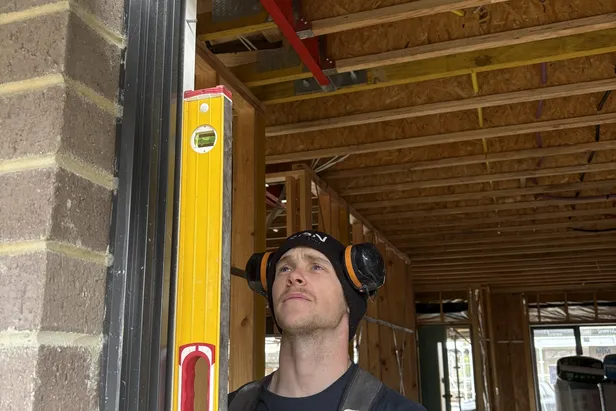


A building contractor licence is what turns years on the tools into the legal right to run your own jobs. It is also where a lot of strong applicants get held up, not because they lack the experience, but because their paperwork does not prove it.
This guide covers the building contractor licence requirements in Australia, the pathways available depending on your state, the evidence assessors want to see, and the mistakes that most often delay approval.
What Is a Building Contractor Licence?
A building contractor licence is the legal authorisation to contract for, or supervise, building work above a set value in your state or territory. Each state and territory runs its own system: its own licence classes, its own experience thresholds, and its own building authority, such as Victoria's Building and Plumbing Commission (BPC) or the Queensland Building and Construction Commission (QBCC).
Without one, you cannot legally contract directly with clients or take on projects above the regulatory threshold in your state, and some states restrict supervision rights as well.
What Are the Building Contractor Licence Requirements in Australia?
Requirements vary by state and licence class, but most building authorities assess applicants against the same core areas:
- Proven industry experience, usually two to seven years depending on the state and the class you are applying for
- Relevant qualifications, or an accepted experience pathway where one exists
- A reference from a licensed builder holding the same class or a higher one (Western Australia is an exception. Independent, credible verifiers such as past clients or construction managers can also be accepted)
- A detailed project history showing real responsibility, not just time on site
- Financial or business capability, for licence classes that carry that requirement
Victoria and South Australia both allow a direct experience-based pathway. If you do not hold a Certificate IV or Diploma, you can substitute strong, well-documented experience instead, which is worth understanding before you rule yourself out. You can see how this applies to a Victorian domestic builder registration on our VIC domestic licence page. In states that require the formal qualification, Recognition of Prior Learning (RPL) is usually available to help you gain it from your existing experience rather than through classroom-based training.
What Building Contractor Licence Pathways Are Available?
There are two main pathways to a building contractor licence in Australia, and which one applies to you depends entirely on where you plan to work.
The qualification pathway requires a Certificate IV or Diploma in Building and Construction before you apply. New South Wales, Western Australia, South Australia, Tasmania, the Northern Territory and the ACT all work this way.
The experience pathway lets you apply using documented work history and assessed competence instead of formal study. Victoria and South Australia offer this, and Queensland allows it in specific circumstances, which you can read more about on our QLD domestic licence page.
Even in states that require the formal qualification, Recognition of Prior Learning (RPL) is available nationwide. RPL lets you use documented work history, project evidence, and referee statements to gain the Certificate IV itself, rather than sitting through classroom-based training to get there. It's a different mechanism to a state's direct experience pathway, but it achieves a similar result: your existing experience counts toward the outcome, instead of starting your training from scratch.
If you genuinely need to work across more than one state, the proper route is a national builders licence.
How Do You Apply for a Contractor Licence in Australia?
Applying for a contractor licence in Australia generally follows the same four stages, regardless of which state you are in.
- Confirm your eligibility. Check your state's specific licence class, experience threshold, and qualification requirements before you submit anything.
- Gather your evidence. This includes project history, referee statements, and proof of your qualification or experience pathway.
- Submit your application to your state's building authority.
- Complete the assessment. Most states require a written test, a technical interview, or both.
If you want to check where you stand before committing to any of this, Builder Registration's free eligibility check will tell you in under a minute.
What Evidence Do You Need for a Contractor Licence Application?
Assessors are not just checking that you have worked in construction. They want proof of what you actually did and how much responsibility you carried. Strong applications typically include:
- A meaningful sample of completed projects relevant to the licence class you are applying for. The exact number varies by state, and Western Australia in particular often expects substantially more project evidence than other jurisdictions
- A full work history, commonly accepted going back up to ten years, though it's worth prioritising your most recent experience, 2023 onward, reflecting the post-2022 National Construction Code, since assessors weight current practice more heavily
- A referee statement from a licensed builder in the same or a higher class (Western Australia again is an exception, where independent and credible verifiers such as clients or construction managers may also be accepted)
- Supporting documents such as photos, plans, contracts, or site diaries
- Evidence of financial or business capacity, for licence classes that require it
Applicants who keep this information updated as they work, rather than trying to reconstruct it before applying, tend to move through assessment faster.
What Are the Most Common Contractor Licence Mistakes in Australia?
Most delays are not caused by a lack of experience. They are caused by how that experience gets presented. The most common mistakes include:
- Applying for the wrong licence class for the work you actually intend to do
- Submitting an incomplete or inconsistent work history
- Using a referee who doesn't meet your state's verification requirements (a licensed builder in the same or higher class in most states, though Western Australia also accepts independent verifiers such as clients or construction managers)
- Failing to document supervision or decision-making, not just labour
- Applying in the wrong state, or attempting to use mutual recognition as a workaround
- Rushing the application before enough evidence has been gathered
Most of these are avoidable with early preparation, which is exactly why the eligibility check exists before you commit to training or an application fee.
Where to Go from Here
Getting your building contractor licence comes down to matching your real experience with the exact requirements of the state you are applying in. Start with a free eligibility check, or look at the domestic and commercial licence pathways to see which class actually fits where you want to take your career.
Frequently Asked Questions
How long does it take to get a building contractor licence?
It depends on your state, your experience, and how complete your application is. A poorly documented application can add months to the process. With full preparation, some applicants are assessment-ready in as little as ten weeks.
Do you need a Certificate IV to become a licensed contractor?
Not everywhere, and even where it is technically required, there's usually a way around full-time study. Victoria and South Australia accept a direct experience-based pathway instead of a Certificate IV, and Queensland allows it in specific circumstances. In states where the formal qualification is required, Recognition of Prior Learning (RPL) lets you gain it from your existing experience rather than starting training from scratch.
Can you apply for a licence in a different state to avoid stricter requirements?
This is not worth the risk. Applying in a state with lighter rules, then relying on mutual recognition to work elsewhere, can lead to a ban of up to five years if your target state's authority finds out. Apply directly in the state where you intend to work.
What happens if a contractor licence application is rejected?
You will usually be told which areas were assessed as not competent. Reapplying means resubmitting the full application and paying the fee again, so it pays to address the gaps before you try a second time.
Do contractor licence requirements differ between states?
Yes, significantly. Some states use the term licence, others use registration. Experience thresholds range from two to seven years, and a handful of states such as Victoria, South Australia, and Queensland in some circumstances, accept a direct experience-based pathway instead of formal study. Recognition of Prior Learning (RPL) is available more broadly, though, letting you use existing experience to gain the required qualification in states where it's still mandatory. Always confirm the details with your specific state's building authority before applying.